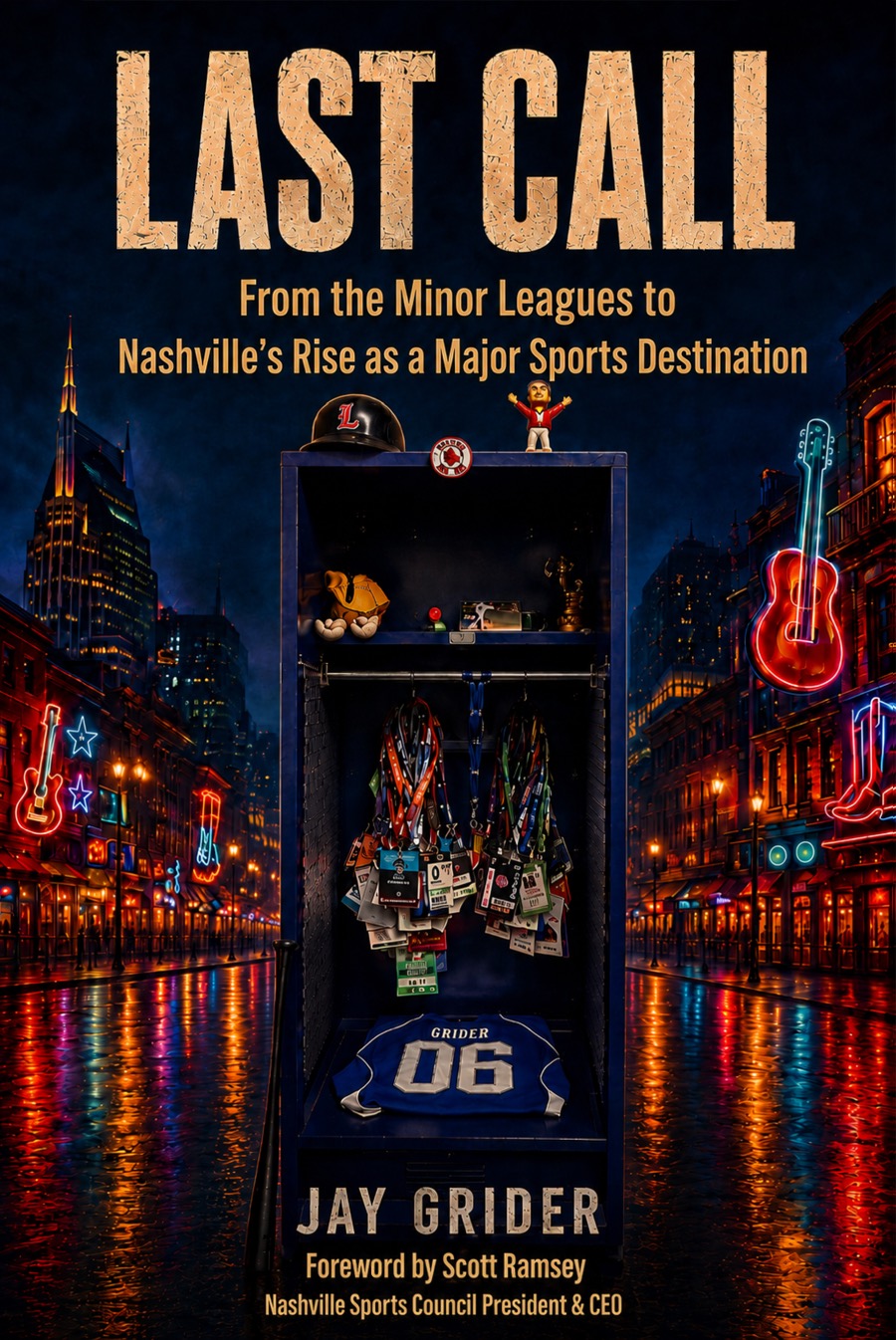
Nashville's trajectory from a city known primarily for music to one of the most sought-after sports destinations in the United States is a story that has largely been told from the outside looking in. Last Call changes that. This hybrid memoir provides a rare insider account of the strategic moves, pivotal relationships, and behind-the-scenes decisions that helped transform Nashville into a city capable of attracting the biggest events in professional and amateur sports.
The announcement that Nashville will host the Super Bowl in 2030 has placed the city squarely in the national spotlight, generating renewed interest in how Music City earned its place among the elite tier of American sports destinations. Last Call arrives at precisely this moment, offering readers a deeply personal yet broadly informative narrative that connects the dots between decades of groundwork and the landmark achievements the city celebrates today.
At its core, Last Call is more than a sports business book. It is a hybrid memoir that weaves personal experience with institutional history, providing readers with a narrative that is both intimate and instructive. The book traces the evolution of Nashville's sports landscape through the lens of someone who was present for many of the key moments that defined that evolution. From early conversations about bringing major sporting events to the city to the development of infrastructure and partnerships that made those events possible, the memoir captures the human side of what is often discussed in purely economic or political terms.
The book holds particular relevance for several distinct audiences. Sports fans will find a compelling narrative that deepens their appreciation for the events and teams they support. Meeting planners and event professionals will discover valuable insights into what makes a city successful in the competitive world of event hosting and destination marketing. Sports commissions across the country can look to Nashville's story as both a case study and a source of inspiration for their own efforts to elevate their communities through sports. Students studying sports management, hospitality, tourism, or public administration will find real-world lessons that complement their academic coursework.
Nashville's journey has not been without its challenges. Last Call does not shy away from the setbacks, the difficult negotiations, or the moments of uncertainty that accompanied the city's rise. This honesty is part of what makes the memoir resonate. It presents a realistic picture of what it takes to build a sports destination from the ground up, acknowledging the complexity of the work while celebrating the results.
The Nashville Sports Council and the Liberty Mutual Music City Bowl have played central roles in the city's sports story, and their contributions are woven throughout the narrative. These organizations have served as engines of economic impact, community engagement, and national visibility for Nashville, helping to establish the credibility and infrastructure that ultimately attracted events of the magnitude of the Super Bowl.
As Nashville prepares for what promises to be a defining chapter in its history with the 2030 Super Bowl, Last Call provides essential context for understanding how the city arrived at this moment. The memoir serves as both a celebration of what has been accomplished and a roadmap for what comes next, not just for Nashville but for any community that aspires to leverage sports as a catalyst for growth and recognition.
Readers interested in learning more about the book, its themes, and the story behind Nashville's remarkable rise in the sports world are encouraged to visit the official website for additional information, updates, and resources.
CONTACT:
jgrider@nashvillesports.com